
Start a Fabric Business: A Complete Guide for Makers
What’s the best way to get a small business going? Just jump in and start! Your creativity, passion for fabric, and willingness to take the leap are the most important ingredients. From there, it’s about making thoughtful decisions and building a foundation that sets you up for success. Here’s a guide to help you turn your ideas into a thriving fabric-based business. For informational purposes only.
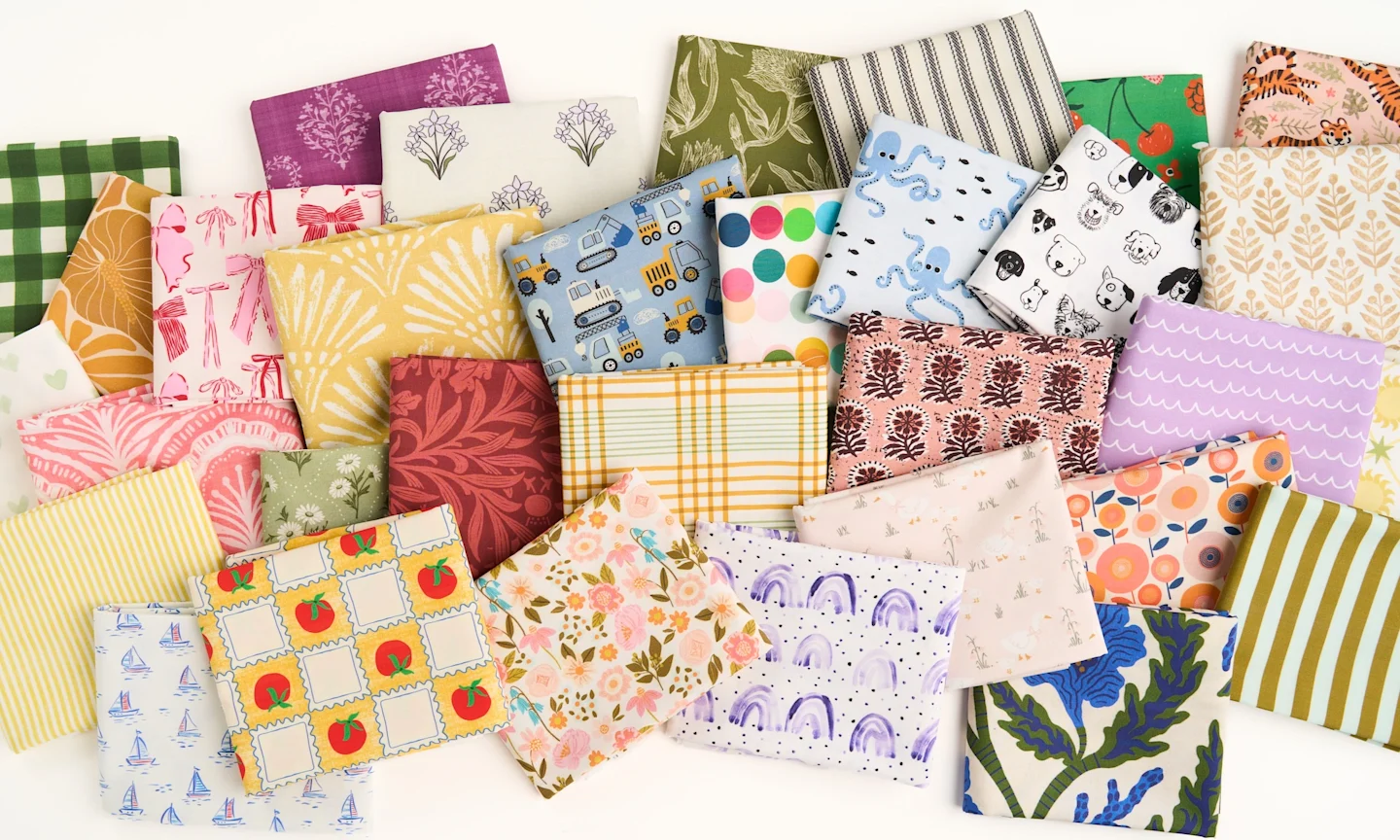
1. Decide What You Want to Make
This is where the magic begins. You already have inspiration—now it’s time to refine it into a focused product idea. As you narrow in, consider:- What do you love to create?
- What are you especially good at making?
- What gap could your product fill in the market?
- How long does each item take to produce?
- Can you scale production efficiently over time?
- Can you price your product in a way that supports your goals?
- What problem does your product solve for customers?
- Are sustainability, low-waste practices, or certified materials important to your brand?
2. Analyze the Competition
Understanding the landscape helps you stand out. Start your research online; platforms like Instagram and TikTok are where many makers build and market their businesses. Pay attention to:- Types of content (photos, video, voiceovers, tutorials, livestreams)
- What gets engagement: comments, shares, saves, etc.
- Customer feedback and questions
- Visit local craft fairs, markets, and vendor events
- Observe product displays and merchandising
- Note pricing strategies and bundling
- Look for customization options or unique selling points
3. Set Up Your Business
To operate legally, you’ll need to establish your business structure. If you’re based in the U.S., this typically includes:- Registering your business with your state
- Applying for an EIN through the IRS
- Understanding your tax obligations (including potential quarterly taxes)
4. Identify Your Suppliers
Fabric is just the beginning! You’ll also need to source notions and materials like:- Zippers, buttons, elastic
- Labels and branding materials
- Packaging and mailers
5. Manage Your Inventory
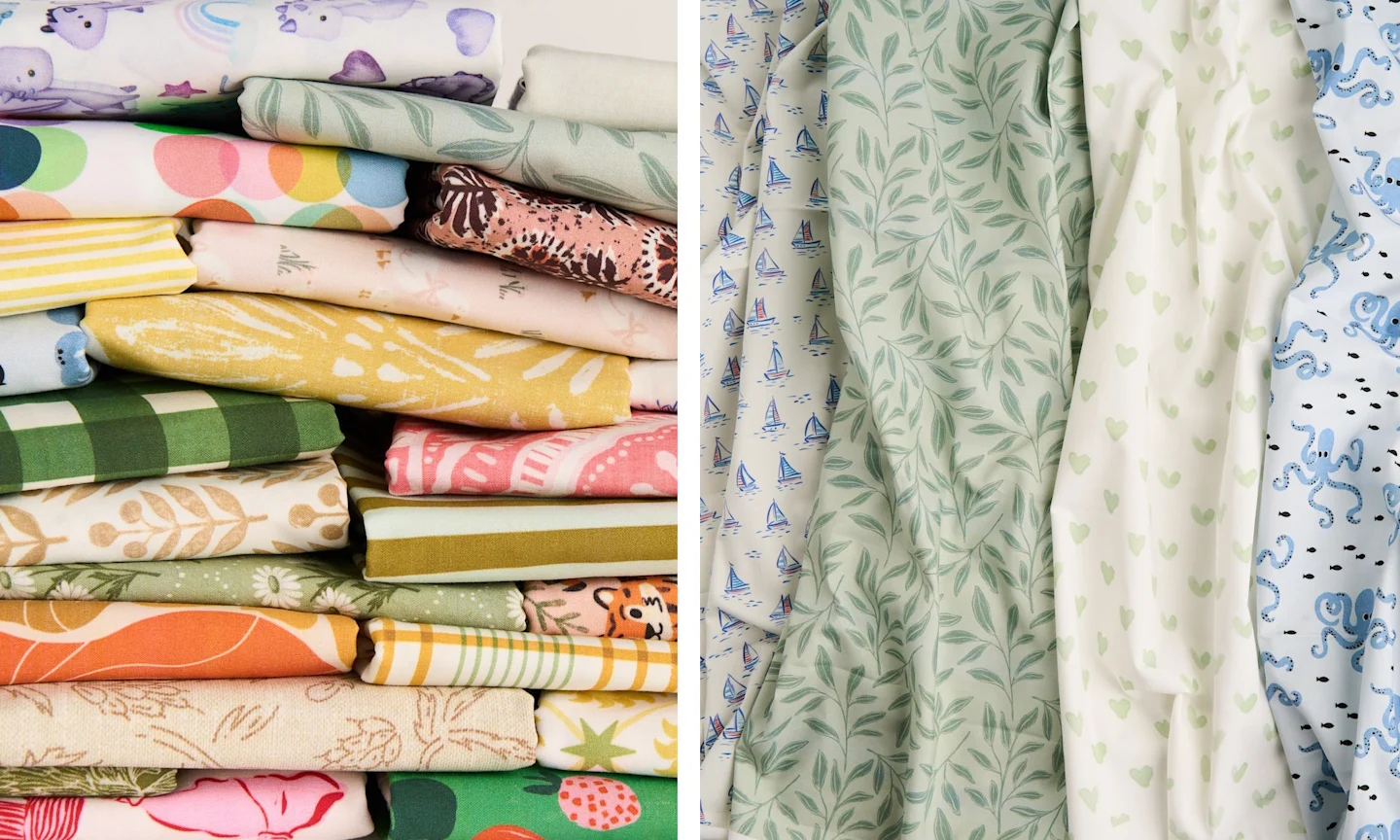
Even small businesses need systems! Whether you use a simple notebook, a spreadsheet or inventory management software, it's important to track your product quantities, variations (size, color, style, etc.) and material/supply levels. Choose a system that matches your workflow, especially if you plan to grow or bring on help.6. Choose Where to Sell
Now for the fun part: getting your products into customers’ hands. A few paths to consider:In-Person Markets & Events
- Craft fairs, farmers’ markets, and vendor shows
- Great for building local awareness and getting real-time feedback
- Applications can be competitive - apply early and often
Online Marketplaces (Etsy, Amazon Handmade, Faire)
- Easy entry point with built-in traffic
- High competition - strong branding and visuals are key
Your Own Website
- Full control over your brand and customer experience
- Ability to build an email list for repeat customers
- Platforms like Shopify or Squarespace make setup accessible
Wholesale & Local Retail
- Pitch your products to boutiques and local shops
- Start small—independent retailers often have more flexibility
Word of Mouth & Community
- Still one of the most powerful growth drivers
- Encourage referrals and reviews
- Engage in local groups (Facebook, Reddit, etc.)
- Run giveaways or social contests to build awareness
Final Thoughts
Starting a fabric-based business is equal parts creativity and strategy. You don’t need everything figured out from day one, but taking the time to plan your products, understand your audience and build smart systems will set you up for long-term success. When it comes to bringing your ideas to life, Spoonflower is here to support you every step of the way! Ready to get started? Your first product could be just a few yards of fabric away. Apply to the Spoonflower Wholesale Fabric Program for exclusive pricing and business tools designed to help you scale. You can shop the featured designs here.Made to order using unique designs from artists worldwide.
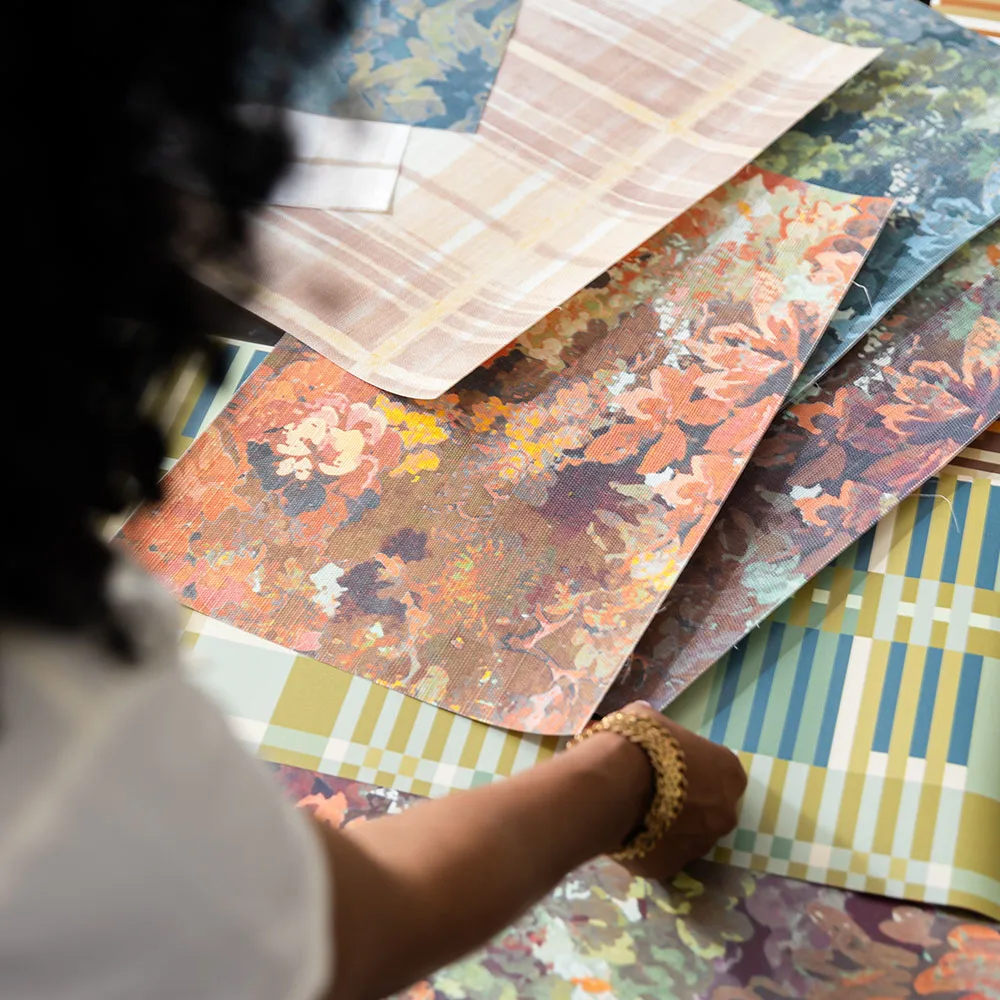
The World’s Largest Design Library for Wallpaper and Textiles
Discover a world of design—from minimalist to maximalist. Thousands of global artists, with new styles added constantly.
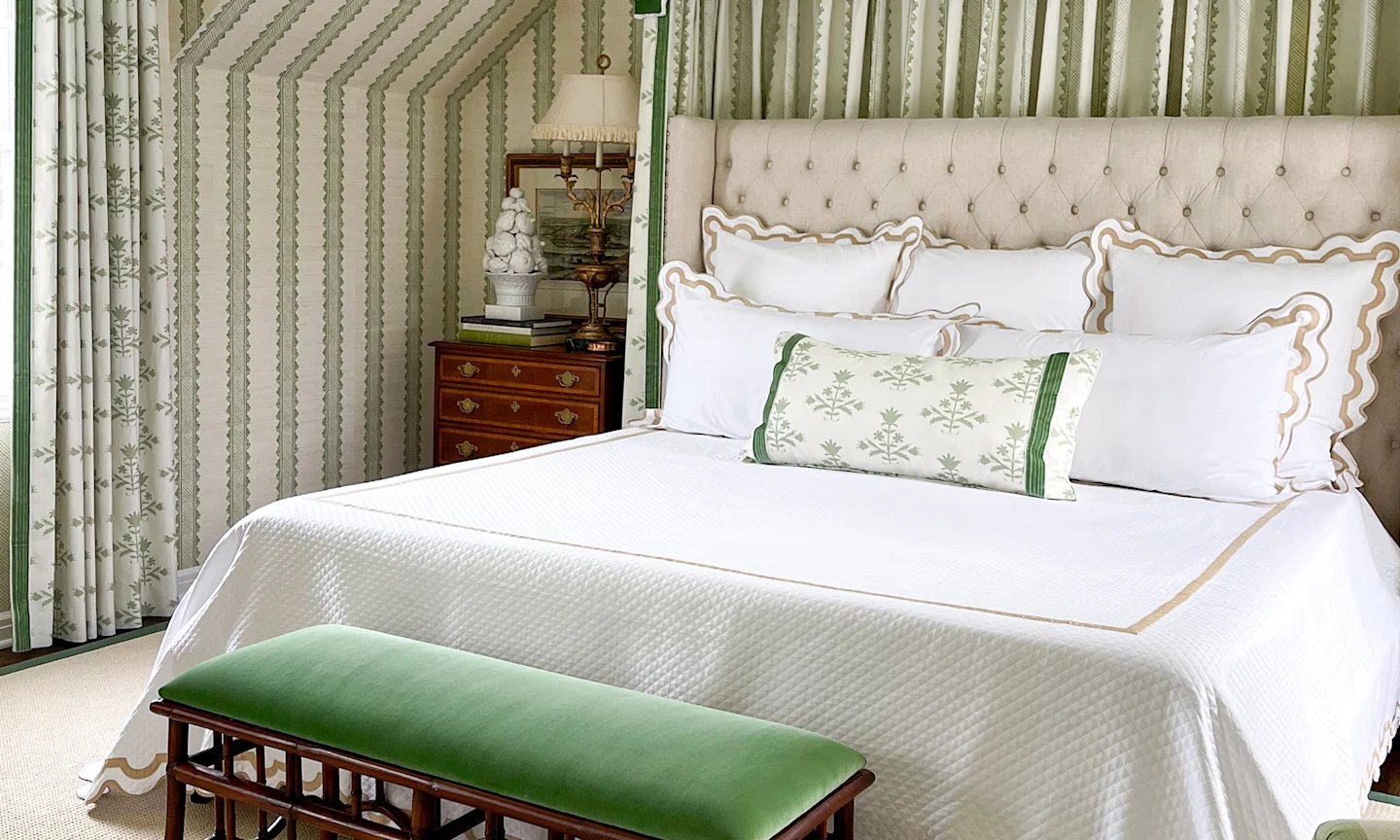
Custom Designs on Any Item
Our made-to-order model lets you print any design on any material. Coordinate patterns across rooms for a cohesive, personalized home.
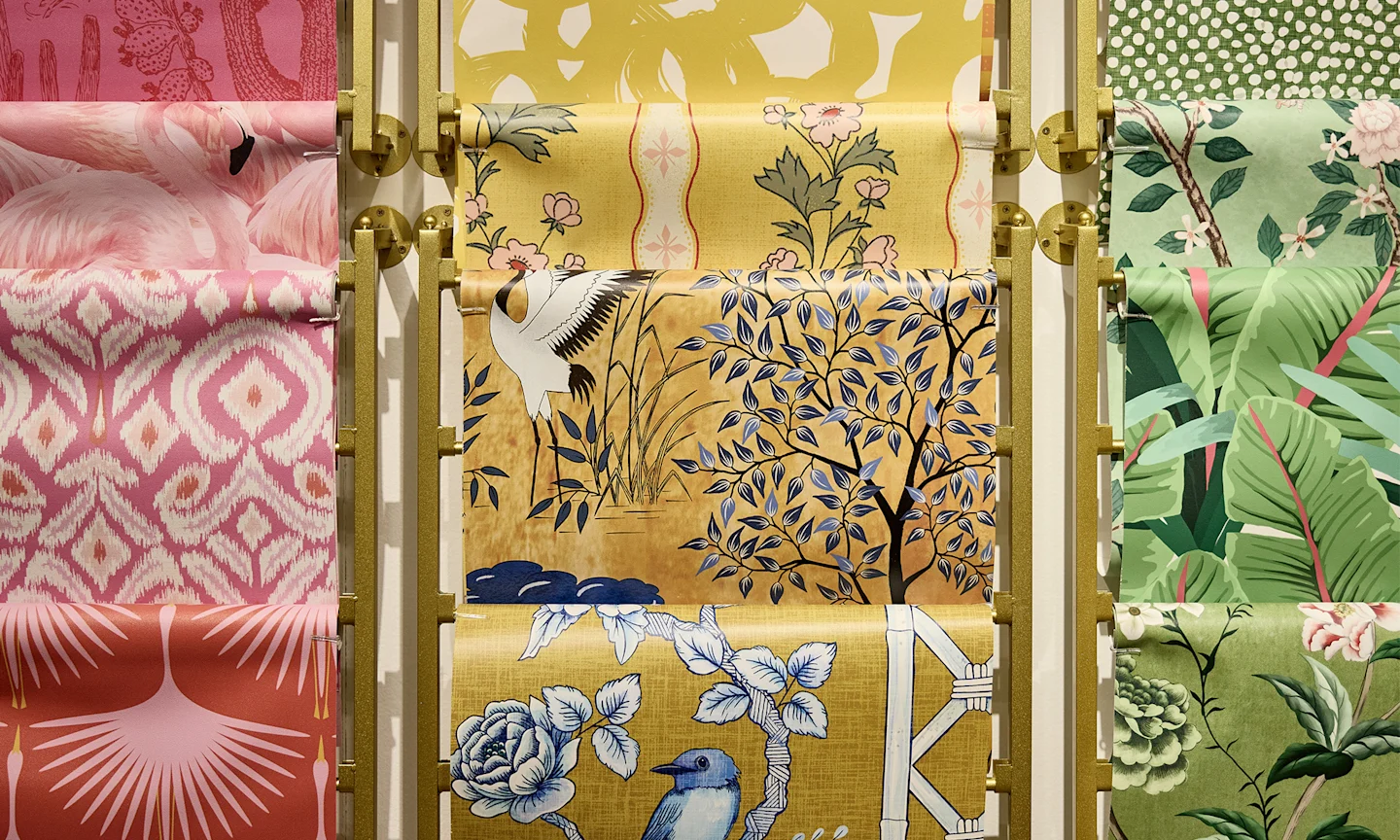
Premium Materials, Always in Stock
Trusted by pros and enthusiasts, our responsibly sourced textiles and papers offer the perfect finish—from smooth to textured, delicate to durable.
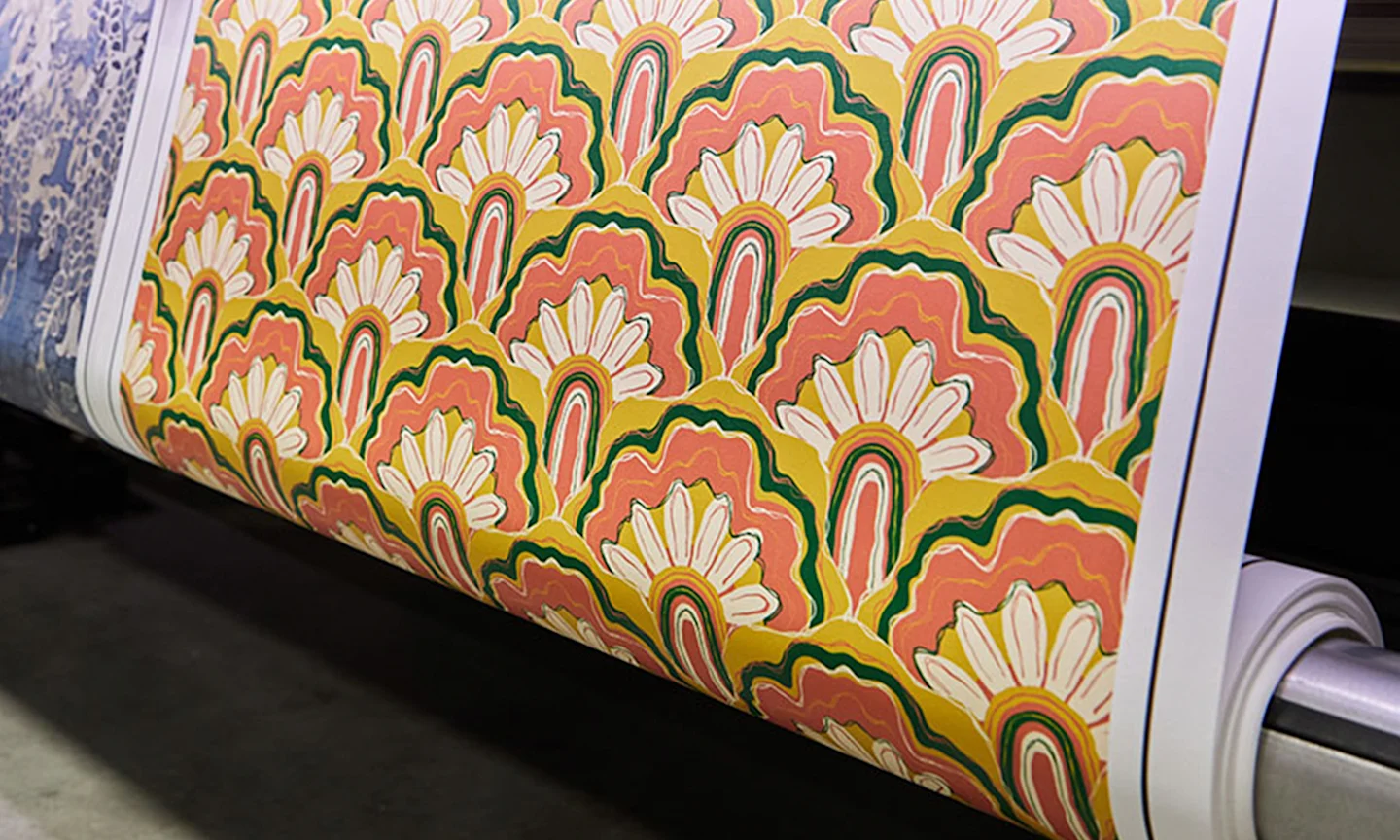
Printed on Demand in the USA
Our print-on-demand model lets you choose your design, material, and quantity—minimizing waste with non-toxic inks and reduced packaging.