
Designing and Sewing a Regency-Inspired Day Dress with Spoonflower Fabric
Veronica Tucker, a sewist and small business owner from Melbourne, Australia, shares her process for creating and uploading her own design on Spoonflower and sewing a dress with the design.
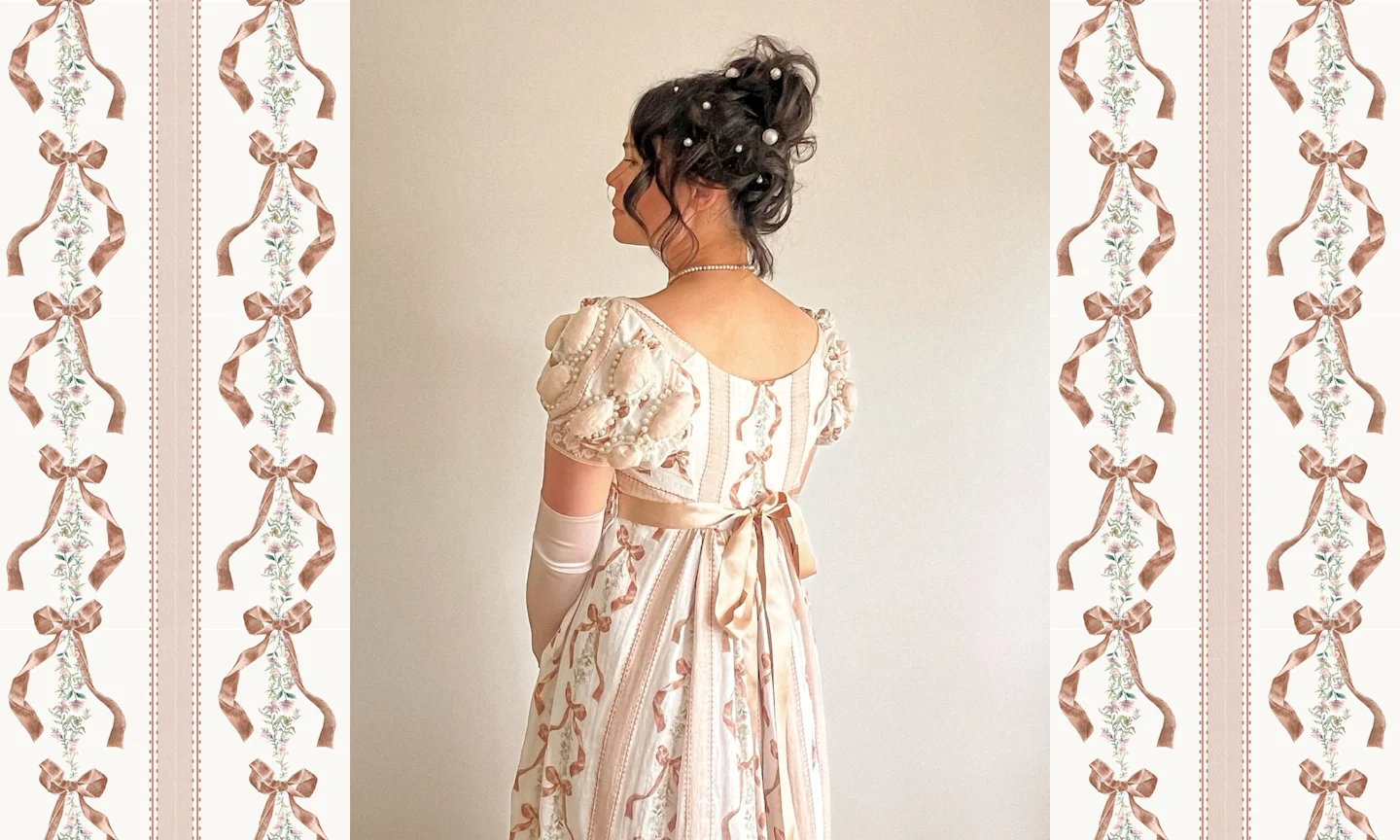
Inspiration and concept
My Regency day dress grew from my long-standing love of Ancient Greek dress. I’ve always been drawn to neutral, light, tonal palettes and natural fibres — they feel romantic, effortless, and grounded. That simplicity shaped my silhouette: a raised waistline, minimal structure, and drape as the main design feature. I also wanted a touch of Rococo drama, so although this is a day dress, the embellished sleeves and bold prints shift it into something more expressive. Underneath, I made a pair of stays and a chemise to keep the garment historically accurate — the foundation layers shape the dress more than people realise. The prints reflected this balance of restraint and flourish. I created a mix of tiny florals and two hero statement prints — the Rose Ribbon Moiré and the Hydrangea Garden. They reference historical motifs, but the scale and clarity give them a contemporary edge. Both designs would translate beautifully into wallpaper, which feels fitting since Regency textiles were often tied to interior aesthetics as much as clothing.Designing the Spoonflower Print
My process starts wide. I collect as much inspiration as possible, then look at everything together to see recurring ideas. Once I group similar aesthetics and concepts, I can see where the gaps are and what I’m genuinely drawn to. My background as a textile designer for Myer taught me how to build a balanced print offer: a primary hero print, secondary supporting prints and small ditsy fillers or grounding patterns. Without that hierarchy, collections feel chaotic. Colour ties everything together so each print speaks to the others rather than competing for attention. Some motifs were hand-drawn, others were created digitally, and combining both gave the designs texture and depth. That slight irregularity keeps the eye interested. Once digitised, I refined repeats and tested scale inside Spoonflower to see how the pattern moved on the body — not just on a flat screen.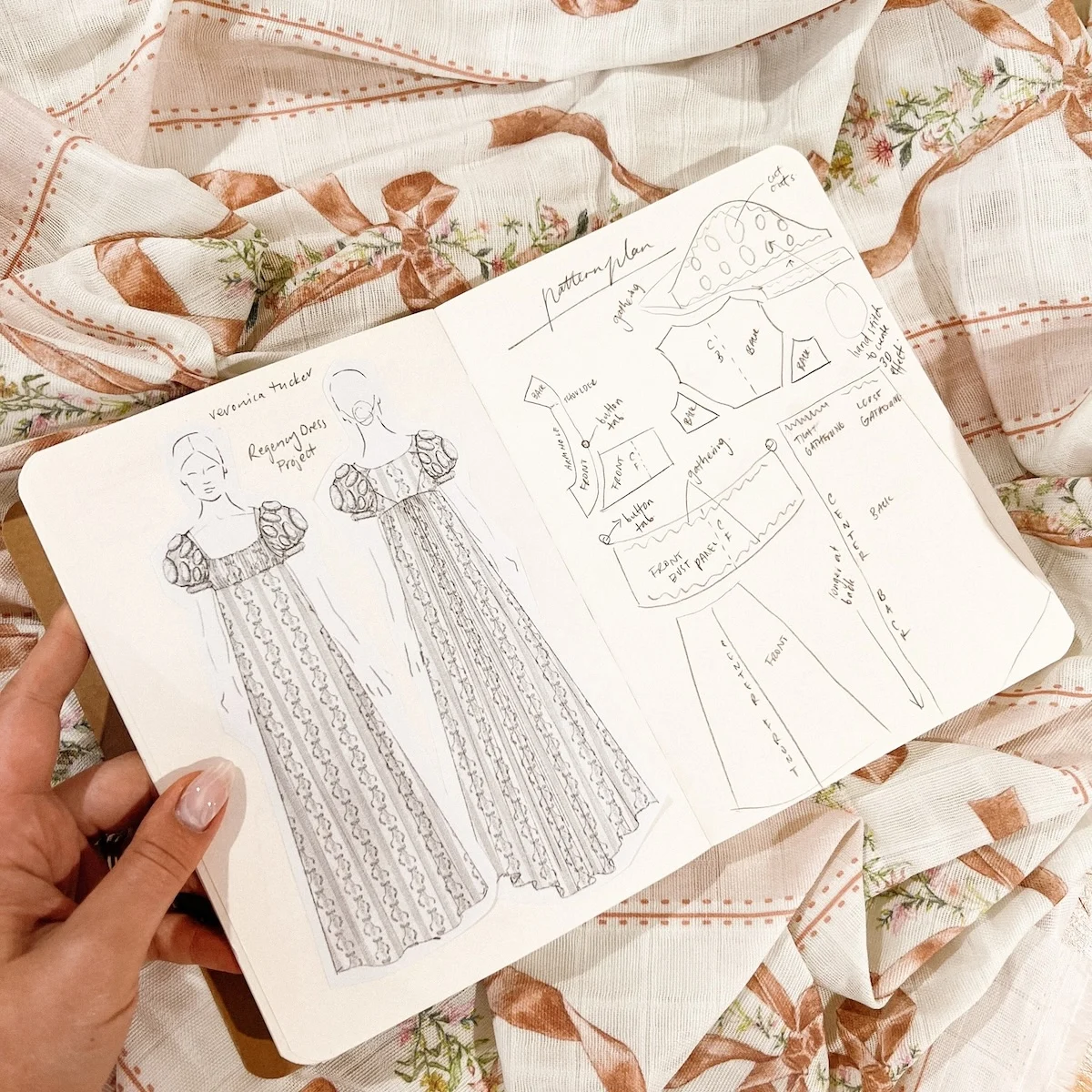
Choosing the Right Fabric
I chose Organic Sweet Pea Gauze, a lightweight grid gauze, because it was soft, floaty, and casual enough for daytime wear. The subtle grid adds an extra dimension without overwhelming the print. The gauze moved beautifully and echoed the lightness I associate with Ancient Greek-inspired silhouettes and early 19th century daywear.Sewing and Fitting the Day Dress
My process starts with the garment concept. I designed the dress first, then built the pattern to support it. I chose a traditional bib-front/apron-front closure to keep the construction historically grounded, which made the patternmaking more complex than a modern bodice. I draped calico directly on my mannequin, pinned it close to the form, sketched in the design lines, removed it, and traced the pieces. From there, I made a toile to test proportions and mobility. I always recommend making a toile when working with something unfamiliar — it saves time and disappointment later. Two insights for Spoonflower sewists:- Plan your print placement around gathers. Hero motifs can distort if they sit right where fabric bunches.
- Different base fabrics change how prints behave. Gauze softens prints and adds movement, while sateen amplifies clarity and sheen.
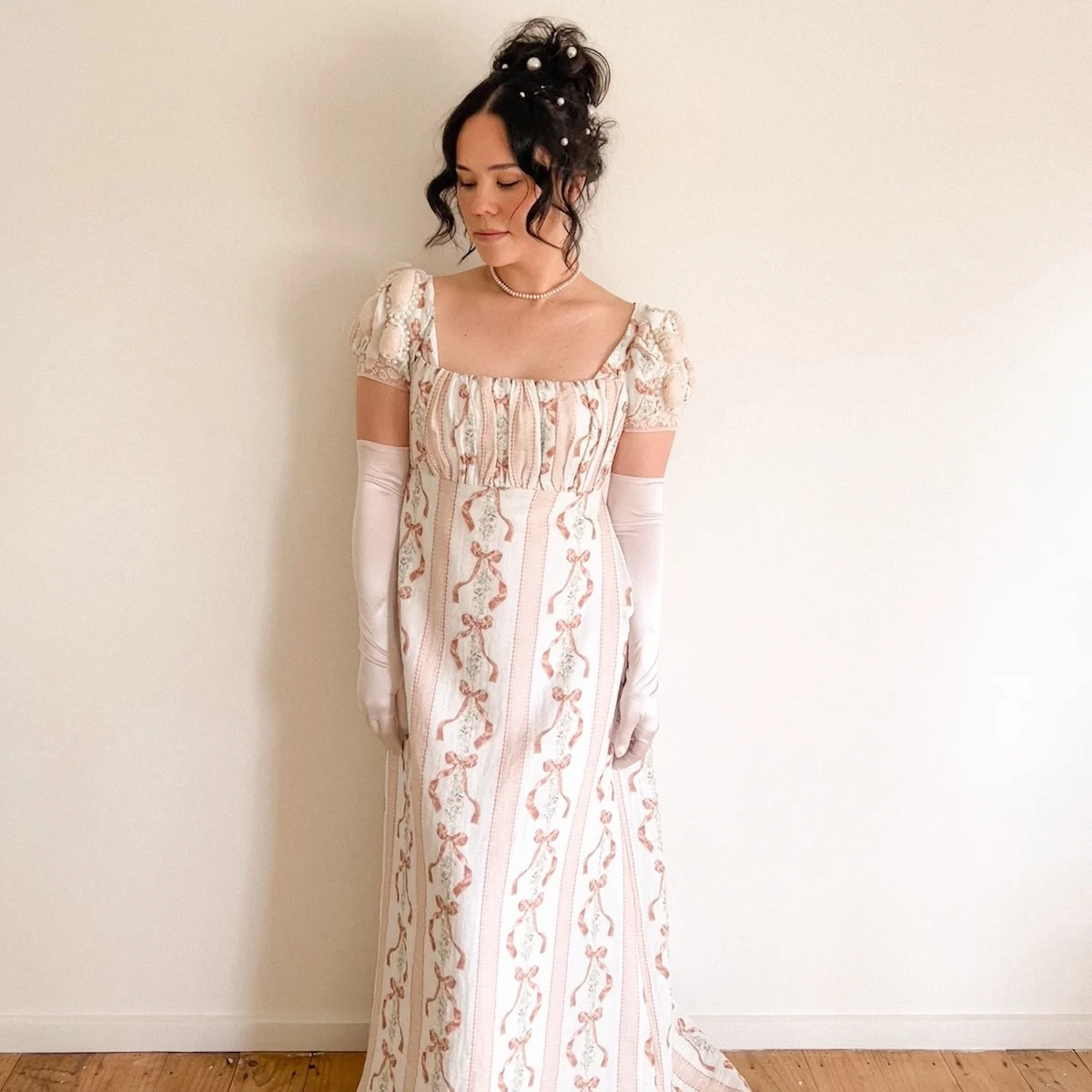
Styling and Reflection
Wearing a dress made from your own print is thrilling. Designing a garment is satisfying, but designing the print and the garment turns the piece into something personal. It feels like wearing an idea rather than just an outfit. This project proved that historical references and personal choices don’t compete — they meet in the middle and become something new. Try designing your own fabric on Spoonflower and use it to reimagine a silhouette from the past that inspires you. This project taught me that fabric isn’t neutral — print scale, colour, and base cloth change everything. The swatches saved me from design mistakes and sewing the dress confirmed why Regency construction works best with light, breathable fabrics. If this sparks ideas, start small. Upload a motif, order a test swatch, make a pouch or blouse, or explore the prints I designed for my own Regency dress. The moment you sew with a fabric you designed yourself, you understand clothing in a different way.Veronica Tucker
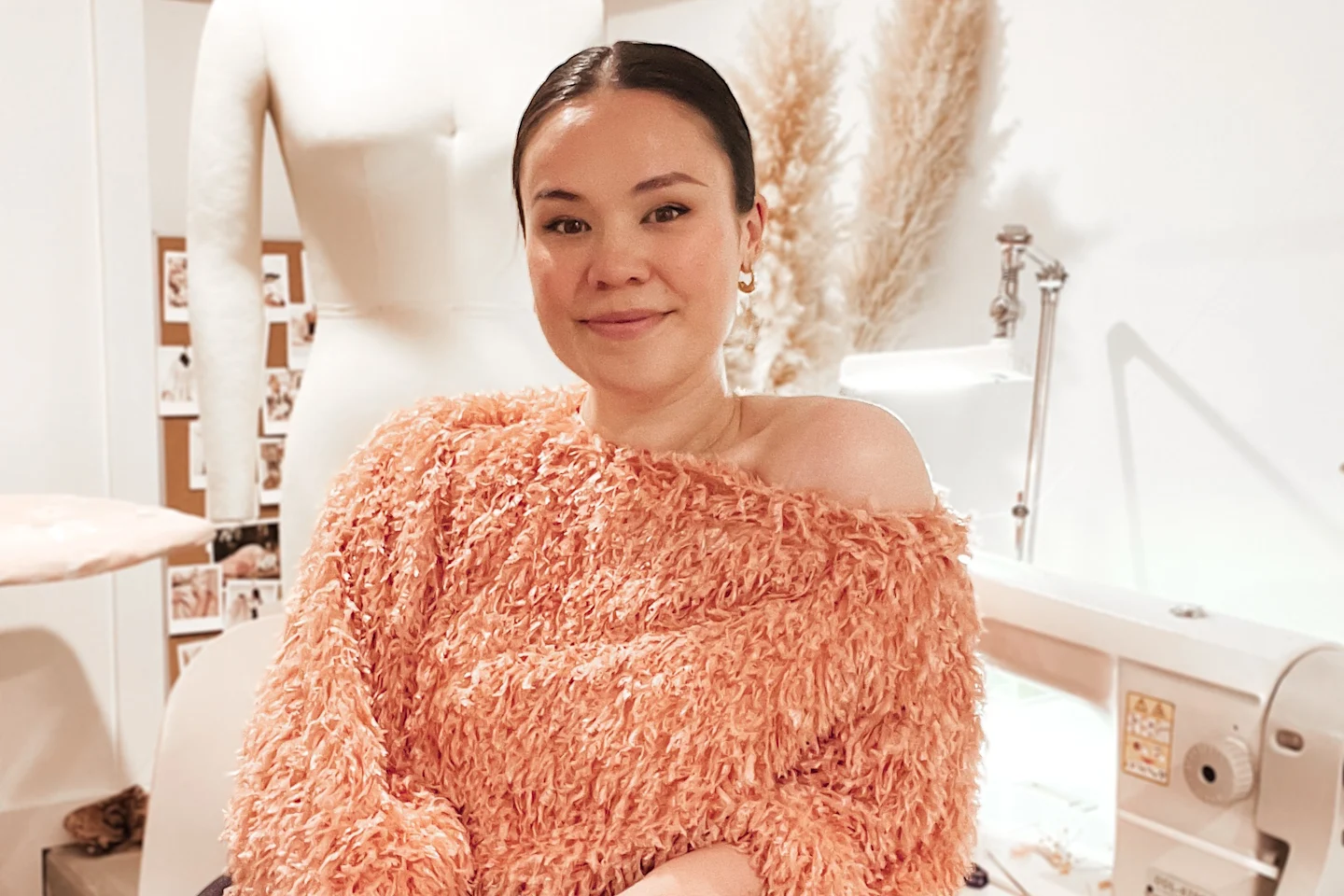
Veronica Tucker is a Melbourne-based sewing pattern designer, textile designer and fashion educator whose work sits at the intersection of craft, culture and history.
Made to order using unique designs from artists worldwide.
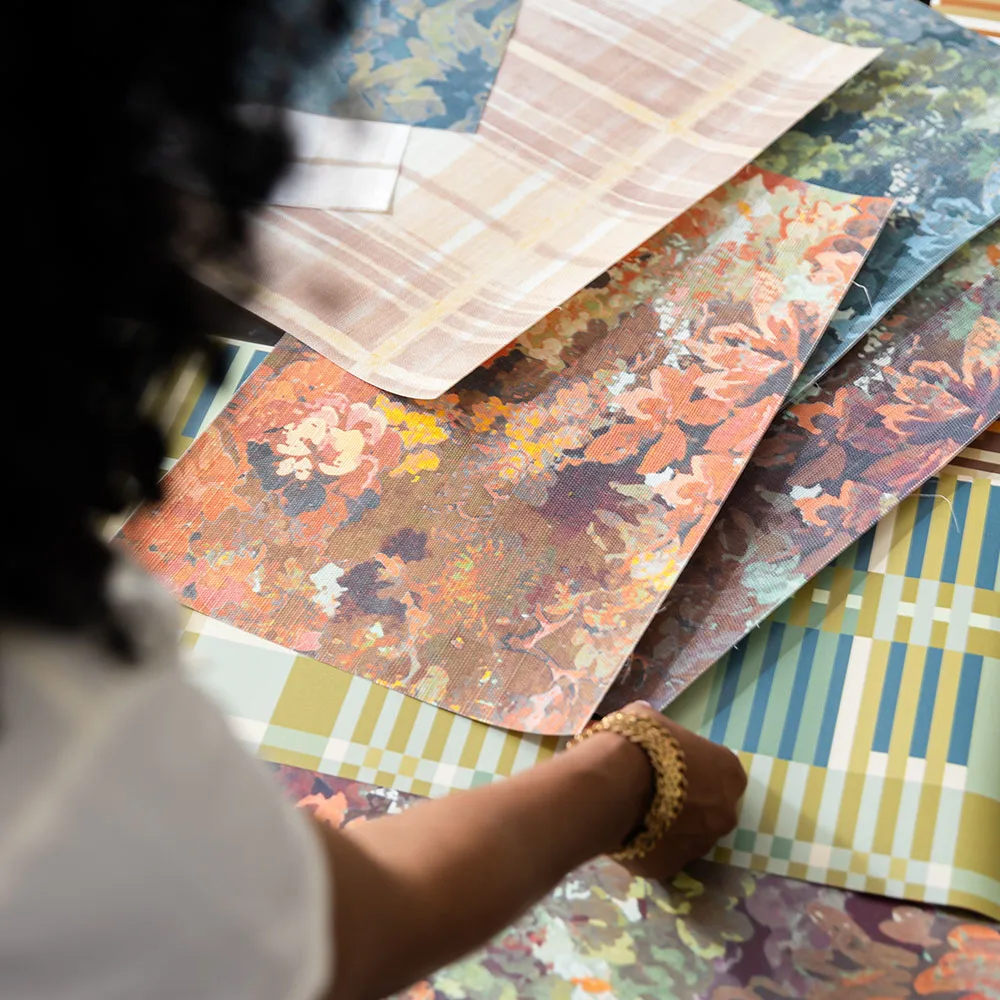
The World’s Largest Design Library for Wallpaper and Textiles
Discover a world of design—from minimalist to maximalist. Thousands of global artists, with new styles added constantly.
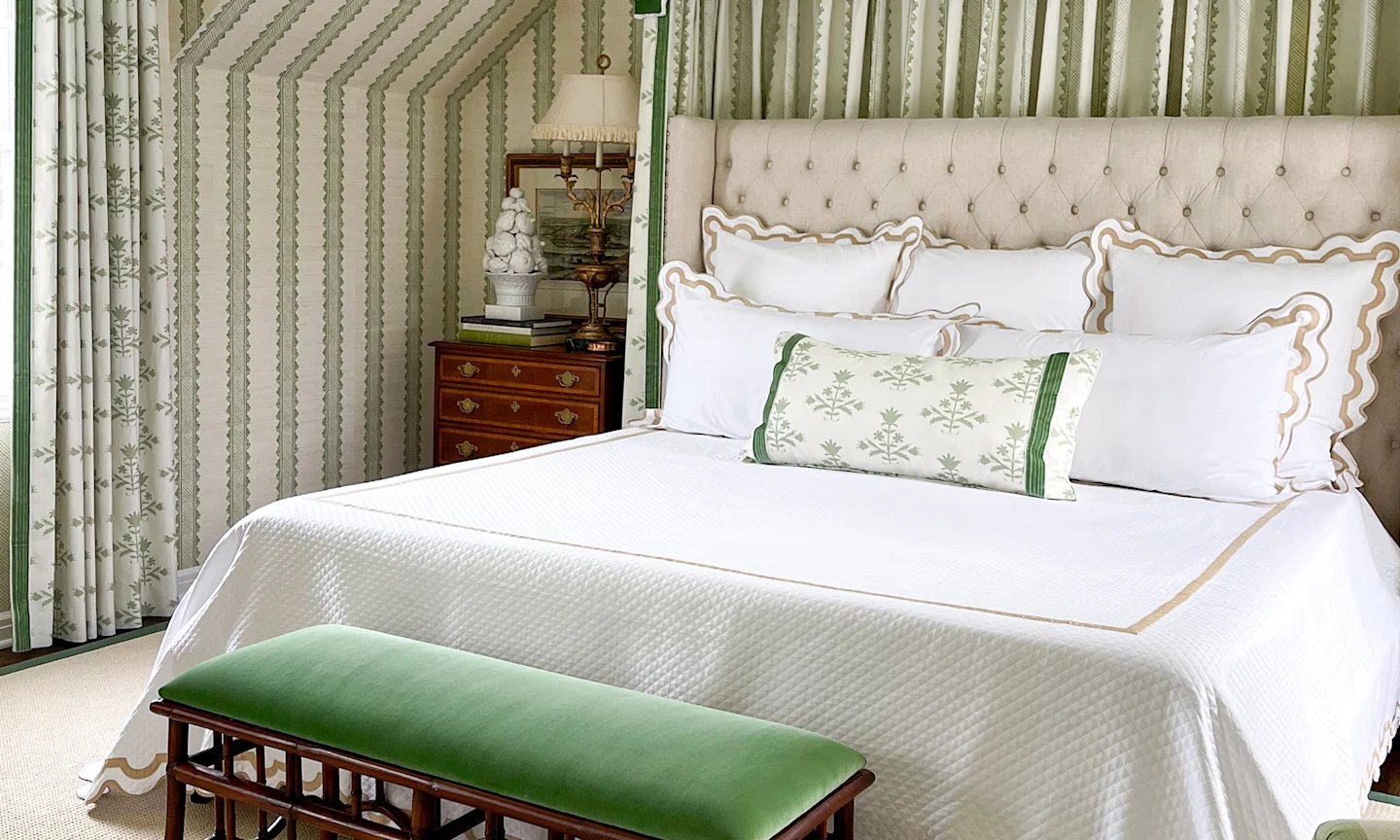
Custom Designs on Any Item
Our made-to-order model lets you print any design on any material. Coordinate patterns across rooms for a cohesive, personalized home.
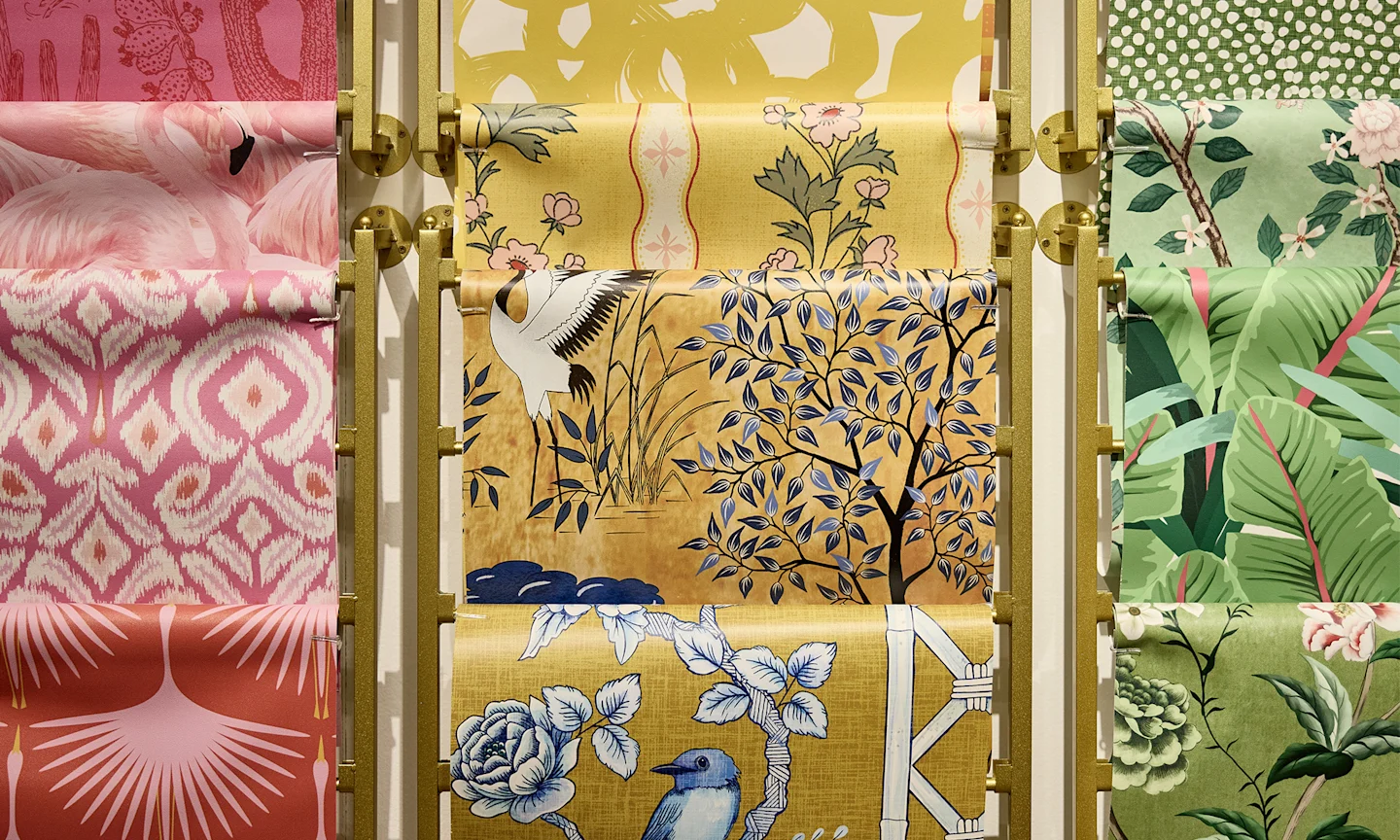
Premium Materials, Always in Stock
Trusted by pros and enthusiasts, our responsibly sourced textiles and papers offer the perfect finish—from smooth to textured, delicate to durable.
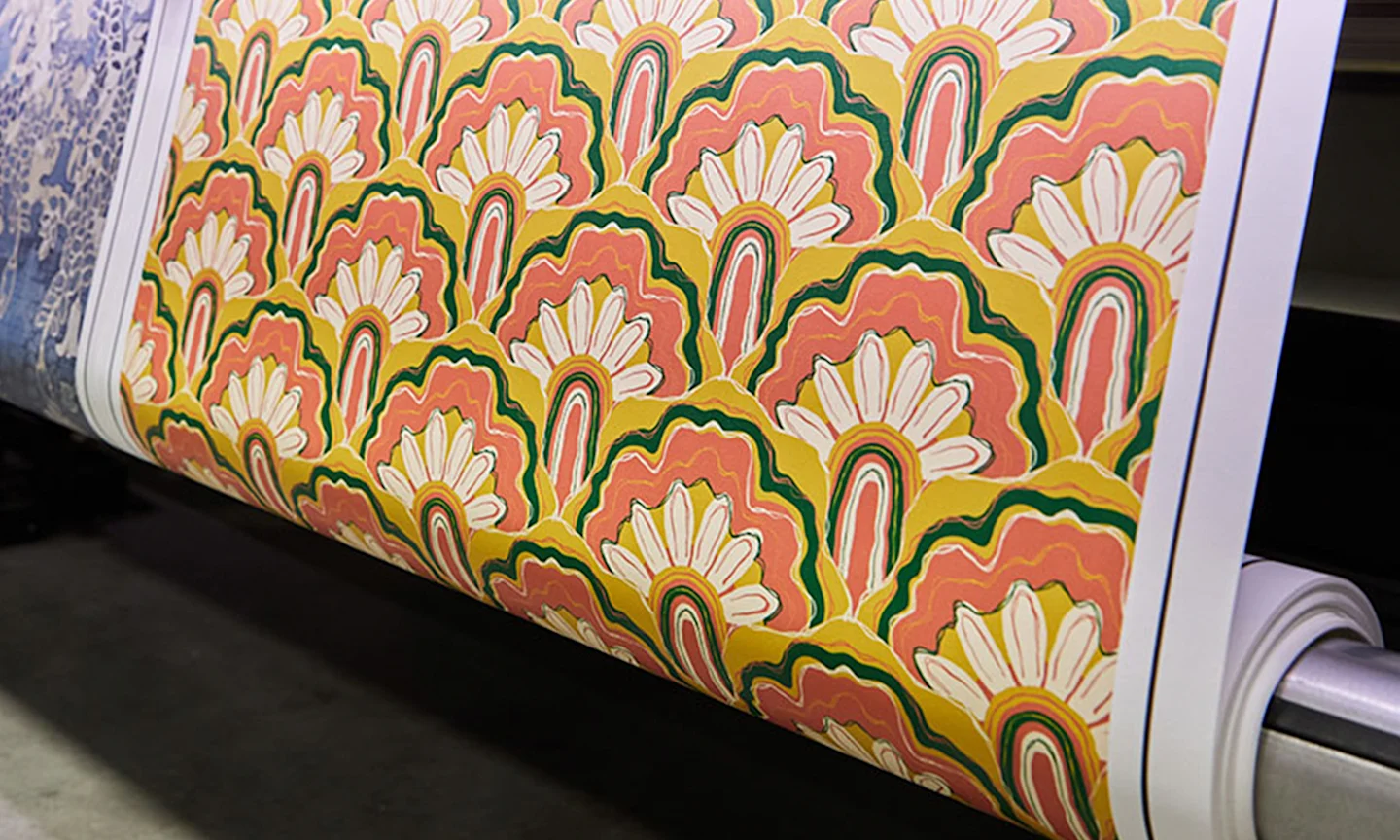
Printed on Demand in the USA
Our print-on-demand model lets you choose your design, material, and quantity—minimizing waste with non-toxic inks and reduced packaging.